 Uzbekistan
2024/25 the Modernization and Capacity Building in District Heating Sector in Uzbekistan
Simultaneously Securing the Restructuring of Uzbekistan's District Heating System and a Foundation for Domestic Companies' Entry Over Three Years
2026. 08. 31
Designing a Combined Heat and Power Generation Model to Reduce Greenhouse Gas Emissions by Approximately 165,000 Tons Annually
To improve Uzbekistan's aging district heating system, the Korea Knowledge Sharing Program (KSP) was conducted over a three-year period (2023–2026). Practical improvement measures were derived, including the introduction of closed-loop systems, the establishment of an integrated operation center, and a biomass combined heat and power (CHP) model.
| Category | Contents |
|---|---|
| Project name |
|
| Partner country and supervising ministry |
|
| Korean implementing agency |
|
| Key outcomes |
|
Diagnosis of Aging Heating Network and Establishment of Customized Improvement Models for the KSP 3-Year Program
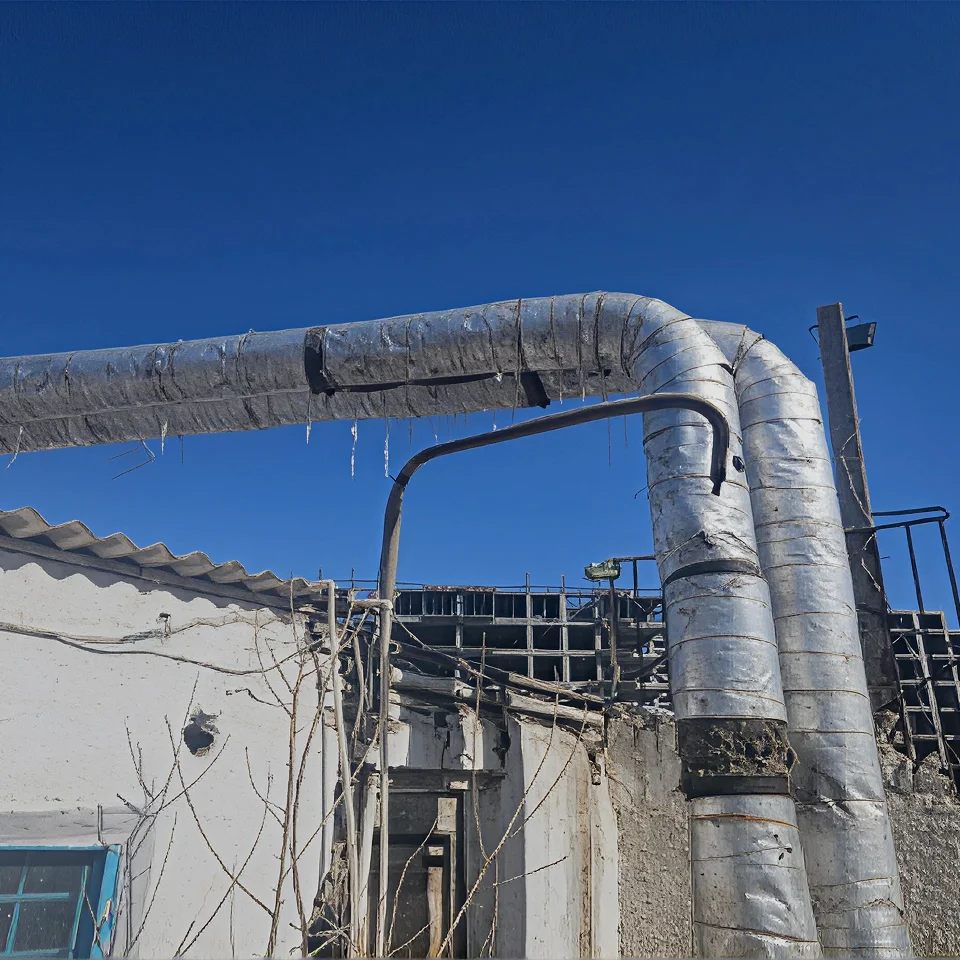
Over 60% of the total facilities in Uzbekistan's district heating system are outdated. Furthermore, heat loss occurs due to the "open-loop" structure, which does not recover heat, causing the district heating penetration rate to drop to approximately 37%.
In response, the Uzbek government enacted Presidential Decree (PQ-100) in March 2025 and announced a plan to replace 103 aging boilers and 1,600 km of heat transmission pipes by 2030, thereby increasing the penetration rate to 58%.
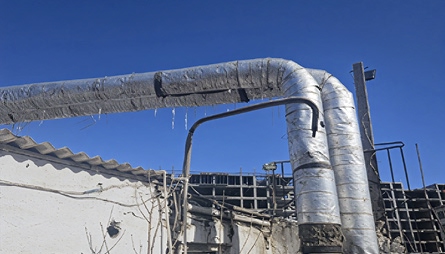
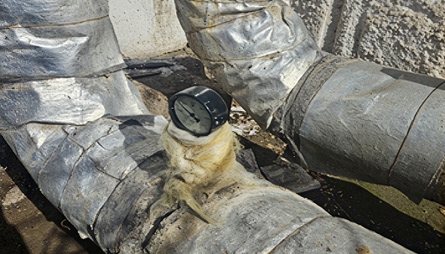

To support this initiative, the KSP research team established a three-year roadmap. For the first and second years of the project, they proposed converting the open loop network to a closed loop system and introducing Korean-style underground double-insulated pipes. Additionally, they established a 'Basic Plan for the Construction of an Integrated Operations Center' to manage district heating on a nationwide scale.
In the third year of the project, the development of distributed power sources was reviewed to reduce dependence on fossil fuels. A 10–15 MW "Fergana Region Biomass Combined Heat and Power (CHP)" model was proposed, utilizing cotton stalks, an agricultural byproduct, as fuel.
To mitigate the slagging phenomenon caused by alkali metals during the combustion of cotton stalks, the application of a Circulating Fluidized Bed Combustion (CFBC) boiler was proposed, and flexible heat and power operation modes tailored to seasonal loads were incorporated into the design.
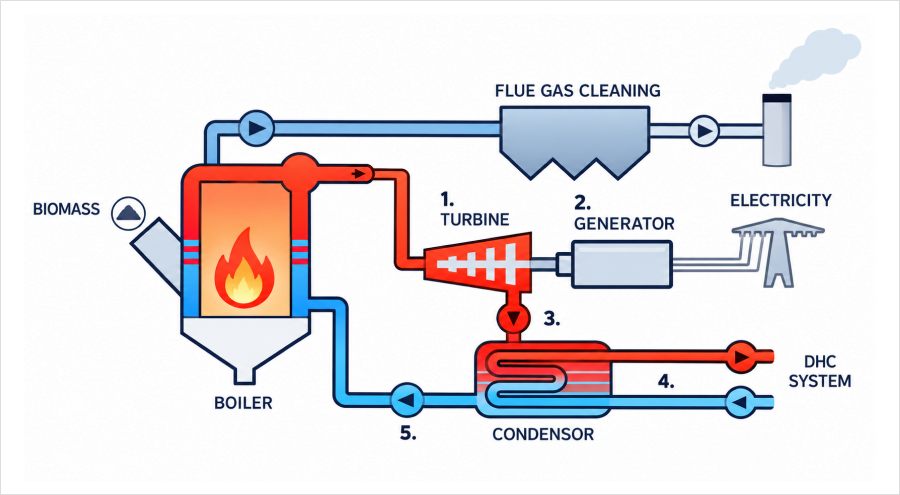
In addition, a self-sufficient model combining solar power and heat pumps was proposed for areas not supplied with district heating, resulting in an estimated annual reduction of approximately 165,000 tons of greenhouse gas emissions.
Support for Governance Reform: Launch of Integrated Public Enterprise and Expansion of Public-Private Cooperation between the Two Countries
| Category | Key achievements |
|---|---|
| Policy and governance |
|
| Infrastructure and carbon reduction |
|
| Public-private partnerships |
|
During the KSP project period, Uzbekistan's heating management system was reformed. The government of Uzbekistan established a centralized state-owned enterprise called 'Issiqlik Ta'minoti' by consolidating the 23 previously dispersed district heating operators.
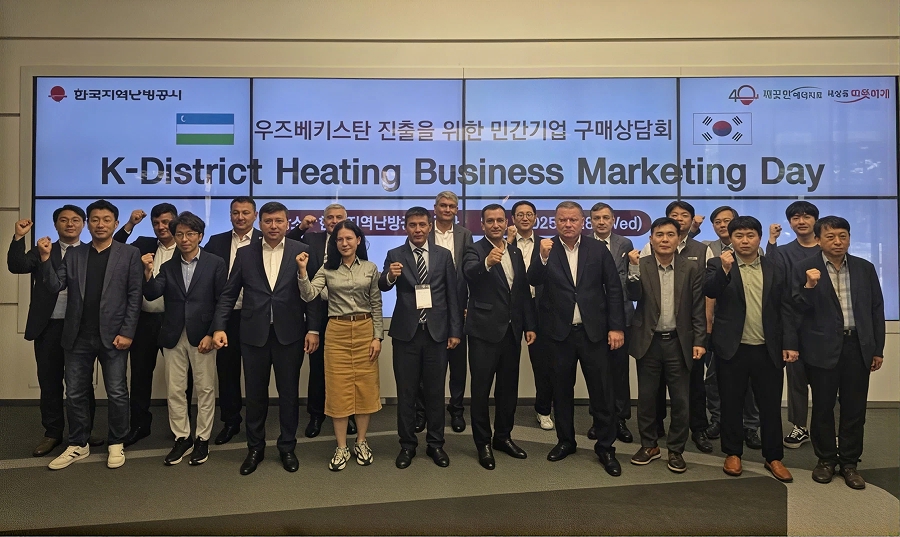
The Korea District Heating Corporation (KDHC) signed a Memorandum of Understanding (MOU) with the Uzbekistani Heat Supply Corporation for technical cooperation and joint business development in district heating. Furthermore, as part of the KSP training program, a 'K-District Heating Marketing Day' was held with the participation of 12 domestic mid-sized and small enterprises. By introducing domestic equipment to Uzbekistani officials and companies, the event laid the foundation for the joint overseas expansion of domestic companies.
Evaluation by Local Working Groups and Prospects for Linking with ODA and International Carbon Markets
Local officials in Uzbekistan evaluated that this KSP project contributed to concretizing the direction of system improvement. Samandar Tulkinov, Coordinator at Issiqlik Ta'minoti, stated, "It provided insights into a macroscopic vision for infrastructure development by focusing on long-term system efficiency rather than stopping at short-term technical prescriptions."
Ulugbek Sarikov, Coordinator, noted, "It was useful that it presented directions for conceptualizing and structuring local projects to comply with international development standards and funding criteria."
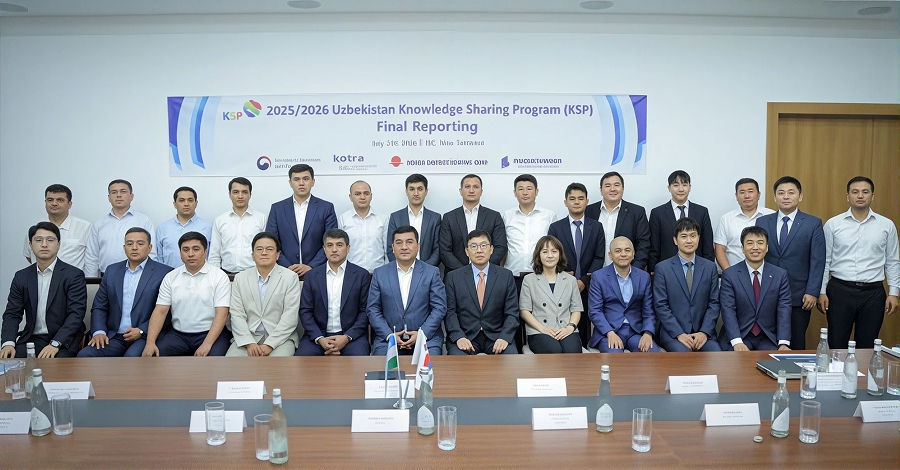
The Fergana Biomass Combined Heat and Power Plant and the Zarafshan City District Heating Modernization Project, for which business feasibility was reviewed through KSP, are currently being considered as candidate projects for the Economic Development Cooperation Fund (EDCF) between the two countries.
In addition, methods for monetizing carbon credits were reviewed in conjunction with Internationally Transferred Mitigation Outcomes (ITMO) under Article 6.2 of the Paris Agreement, linking the greenhouse gas reduction effects. The feasibility study and improvement model established through KSP will be utilized as foundational data for the practical replacement of district heating facilities and the promotion of eco-friendly energy transition projects in Uzbekistan in the future.