 Colombia
Fostering Climate-Resilient Road Infrastructure in Colombia
Enhancing Safety and Resilience Across Colombia's Road Network in the Era of Climate Change
2026. 08. 07
On the Frontline of Climate Change: Key Challenges Facing Colombia's Roads
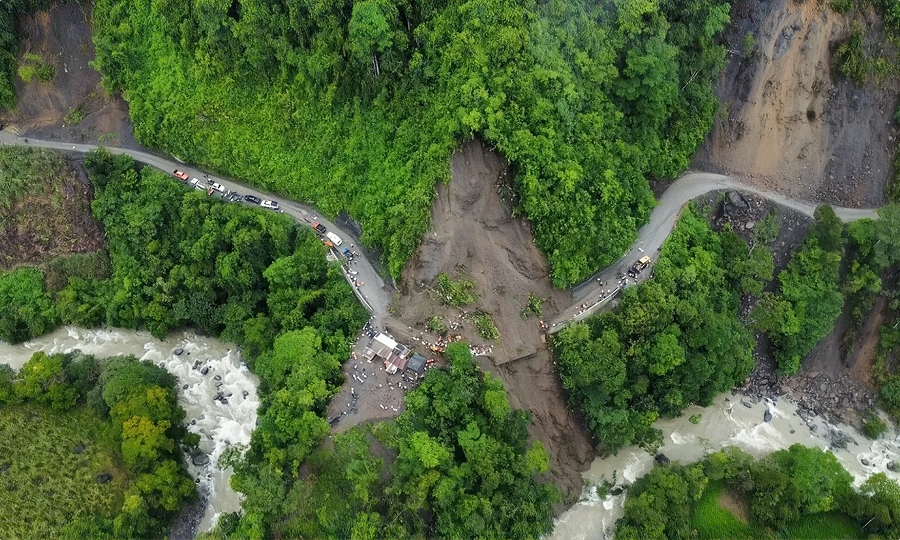
Colombia features complex and diverse topography, ranging from the Amazon rainforest to the Andes Mountains, making it highly vulnerable to climate risks. Recently, increasingly frequent floods, landslides, and sea level rise have led to recurring instances of road infrastructure washouts and structural damage.
Such road damage extends beyond mere physical destruction, resulting in severe socioeconomic challenges including disrupted transport connectivity, rising recovery costs, and isolated communities. Consequently, reforming road infrastructure development policies had become an urgent priority.
At the onset of the project, Colombia faced a shortage of official statistics regarding road conditions and maintenance, with data collection standards varying across government agencies. Furthermore, the absence of automated monitoring systems led to a vicious cycle of relying on post-disaster response rather than proactive prevention. To address these challenges, the Ministry of Transport of Colombia sought collaboration through the KSP-IDB Joint Consulting initiative to leverage Korea's experience and expertise.
Flooded Road Caused by a Landslide in Colombia
Statistics on Natural Disasters in Colombia (1980–2024)
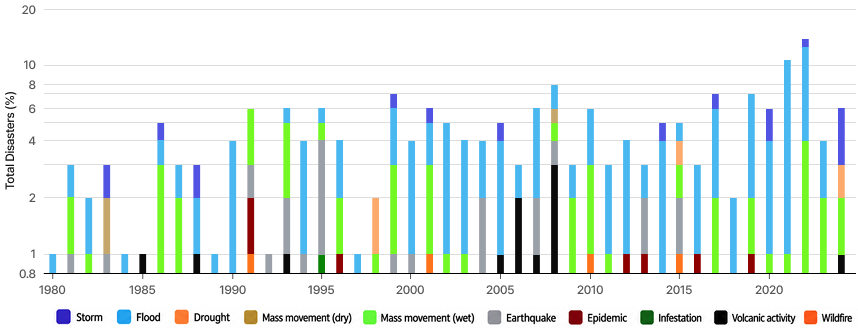
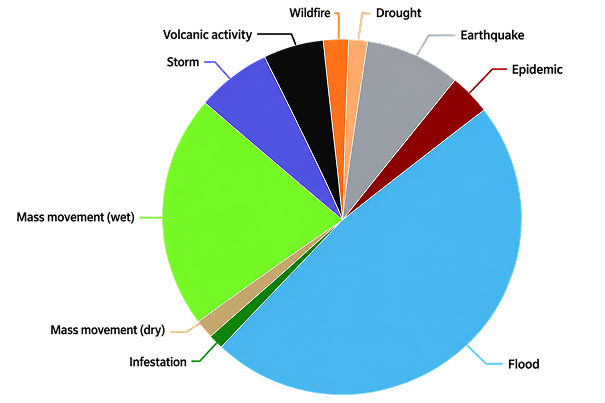
Source: Final Report
Establishing a Disaster-Resilient Road Management System
The KSP proposed actionable measures to improve rapid response capabilities that the Colombian government can immediately utilize in the field. To enhance the overall efficiency of disaster response, practical solutions were presented, including refining initial response protocols during disasters and strengthening emergency communication networks.
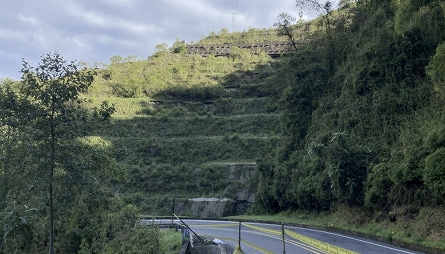
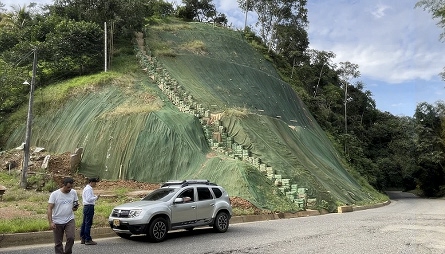
On the technical front, a Climate-Resilient Maintenance Action Plan was developed for the target area, the Manizales-Mariquita corridor. This plan will serve as foundational data for actual pilot projects over the long term, such as establishing an early warning system for landslides and building a bottom-up road management framework.
Example of Proposed Sections for the Early Warning System Pilot Project

Source: Final Report
These policy recommendations by the KSP enhance the practical effectiveness of the road management system, laying a solid foundation for advancing Colombia's nationwide road infrastructure.
Enhancing Execution Capabilities Through Tailored Local Policies
This project holds significant value as it moves beyond simple knowledge transfer of Korea's experience to propose policies tailored specifically to the Colombian context. By presenting phased approaches to organizational restructuring, institutional framework improvements, budget allocation, and technology application, the project helps address local implementation gaps.
Furthermore, by providing practical guidelines that key stakeholders, such as the Ministry of Transport and the National Roads Institute (INVIAS), can directly apply in their operations, the project laid the foundation for building an effective climate change response system across Colombia's national road network.
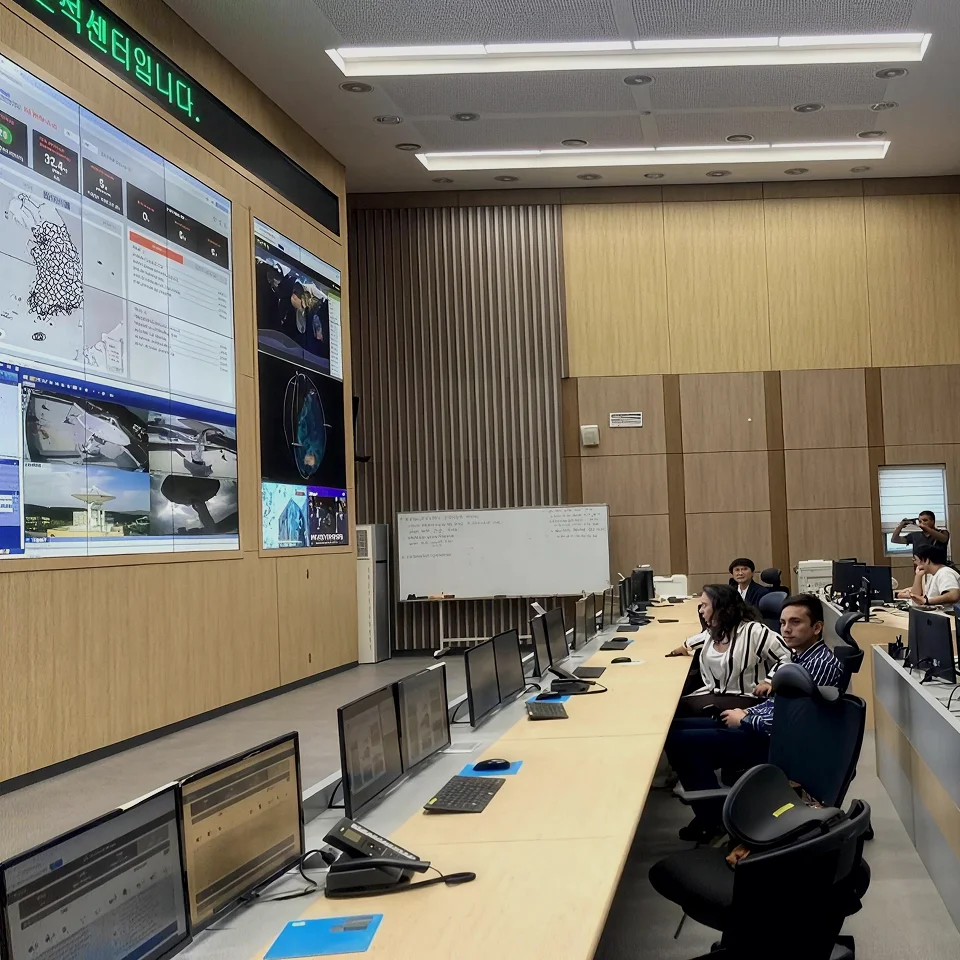
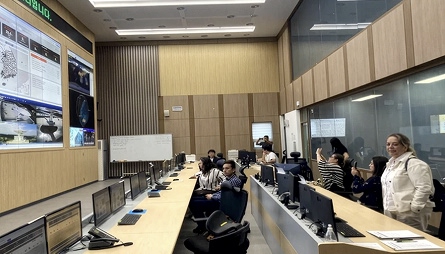
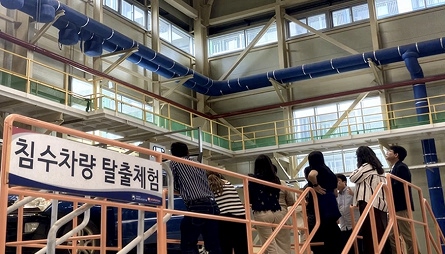
Visit to NDMI to Learn About Korea's Disaster Safety Management System
Source: Final Report
Furthermore, by strengthening road infrastructure, it is expected to safeguard residents' mobility rights, enhance logistics stability, and contribute to improving national competitiveness.
From Policy Recommendations to On-Site Impact
The project for building climate-resilient road infrastructure in Colombia is recognized for its strong alignment with national climate risk management and adaptation policies. The research outcomes of this project hold high potential as technical reference material to support the implementation of public policies related to road infrastructure climate resilience in the future.
In particular, the early warning system proposed in the project is identified as a key solution to address critical gaps in Colombia's disaster risk management framework. Currently, the Ministry of Transport (MOT) and the National Roads Institute (INVIAS) are linking this proposal with discussions on establishing a national-level monitoring system under review.
Furthermore, Korean cases presented as reference models for data-driven observation and monitoring system design, such as TOPIS and Korea's disaster management system, are being considered for benchmarking by partner agencies when designing future institutional and technical systems.
Colombian partner agencies expressed strong interest in initiating a pilot validation project as a follow-up phase, which includes the actual application and construction of climate-resilient road infrastructure. Through this next step, the validity, effectiveness, and scalability of the proposed measures will continue to be verified within the context of Colombia.